
Industry News
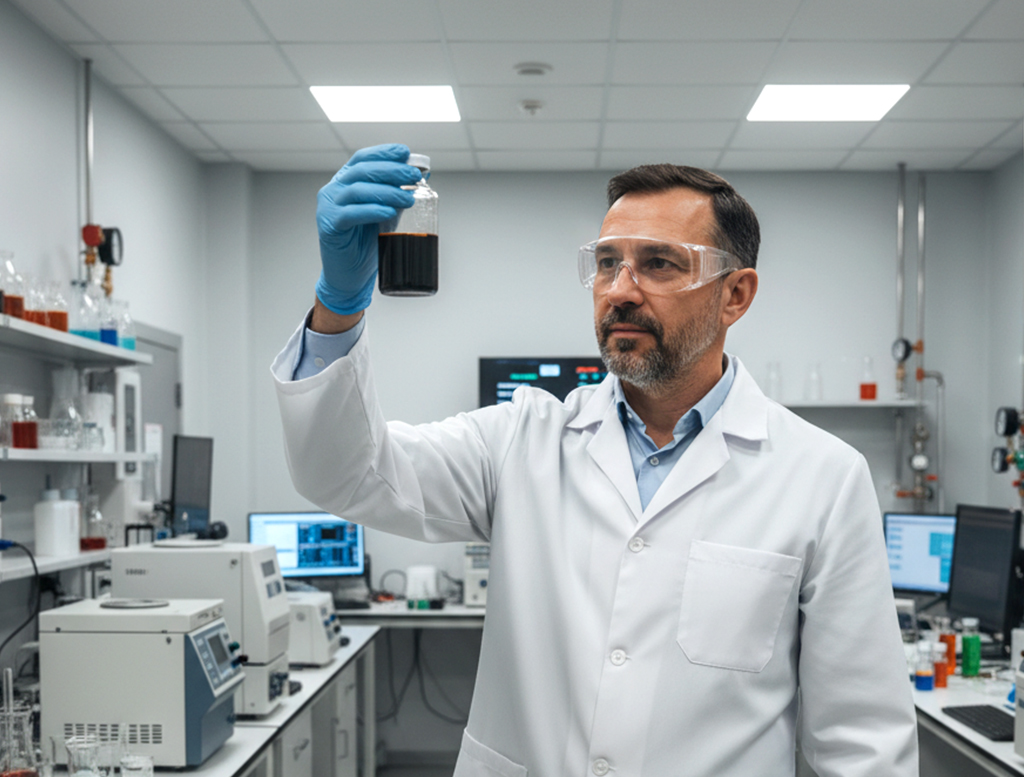
Water content testing is a critical quality parameter used to determine the presence and concentration of water in fuels and lubricating oils. Even small amounts of water contamination can significantly impact the performance, efficiency, and reliability of engines, turbines, and industrial machinery. Water may enter fuels and oils through condensation, storage tank contamination, leakage, poor handling practices, or environmental exposure, making routine testing essential for maintaining product quality and equipment health.
In industries such as marine, automotive, aviation, power generation, oil & gas, and heavy manufacturing, water contamination can lead to corrosion, microbial growth, poor combustion, lubrication failure, and reduced fuel efficiency. Accurate water content testing helps identify contamination early and allows corrective action before it causes equipment damage or operational downtime.
Water contamination in fuels and oils can cause serious operational problems. In fuels, excess water may result in poor combustion, injector damage, corrosion of fuel systems, and microbial contamination. In lubricating oils, water can degrade additives, reduce lubrication effectiveness, and accelerate wear, oxidation, and component failure.
Routine water content testing helps ensure that fuels and oils remain within acceptable limits defined by ASTM, ISO, BIS, and OEM specifications, protecting both machinery and operational safety.
Water content analysis is commonly performed on a wide range of petroleum products, including:
Water content in fuels and oils is typically determined using internationally recognised laboratory methods that provide accurate and reliable results. The most common methods include:
Karl Fischer titration is widely used in laboratories due to its high sensitivity and ability to measure very low water concentrations.
Atlas Lab offers accurate and reliable water content testing for fuels and oils, supporting clients across marine, automotive, power generation, oil & gas, and industrial sectors. As a NABL-accredited and ISO/IEC 17025-certified laboratory, Atlas Lab performs water content analysis in accordance with ASTM, ISO, IP, and BIS standards, ensuring precise and dependable results.
Our laboratory is equipped with advanced Karl Fischer titration systems and experienced petroleum analysts, allowing us to deliver fast turnaround times, detailed reporting, and reliable technical insights for fuel and lubricant quality management.
Contact Atlas Lab today for professional water content testing services for fuels and oils, and ensure your petroleum products remain clean, compliant, and reliable. Our expert team provides accurate analysis, quick turnaround times, and dependable technical support for clients across multiple industries.
Phone :+91 9324631646
WhatsApp : +91 9324631646
Email : contact@atlaslab.in
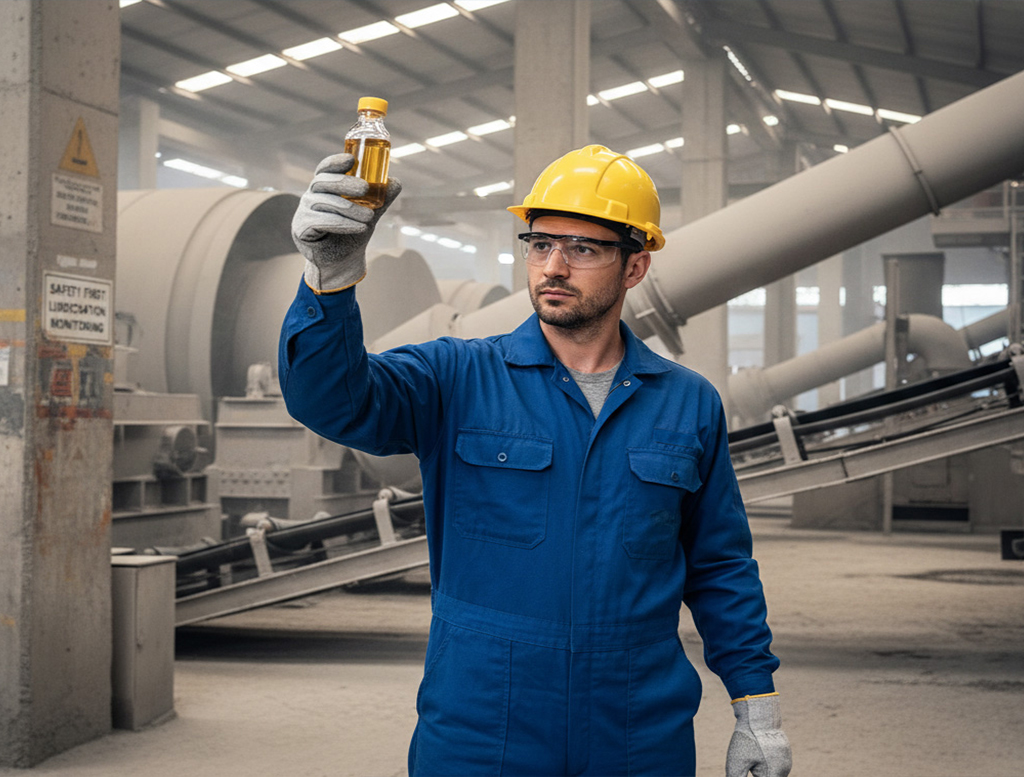
The cement industry operates under some of the harshest conditions in industrial manufacturing. Equipment such as rotary kilns, vertical roller mills,
Read more about Lube Oil Testing for the Cement Industry
The steel industry operates some of the most demanding and high-load machinery in the industrial sector. Equipment such as blast furnaces,
Read more about Lube Oil Testing for the Steel Industry