
Industry News
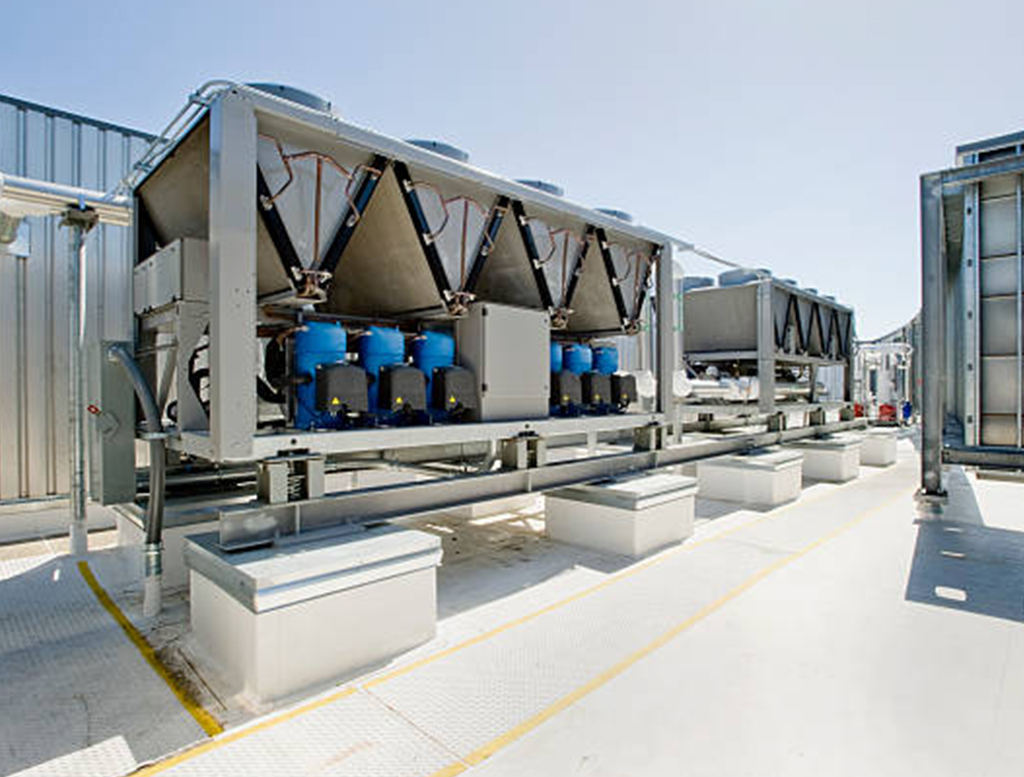
In HVAC systems, the compressor is the heart of the operation, responsible for circulating refrigerant and maintaining system performance. The lubricant used in HVAC compressors plays a critical role in reducing friction, sealing internal components, and aiding in heat dissipation. Over time, however, lubricant quality can degrade due to contamination, oxidation, moisture ingress, and chemical breakdown. This makes HVAC compressor lubricant testing essential for maintaining system efficiency, preventing failures, and extending equipment life.
Regular testing and analysis of compressor lubricants help identify potential issues early, allowing for proactive maintenance and avoiding costly breakdowns in both industrial and commercial HVAC systems.
HVAC compressor lubricants operate under high pressure and temperature, making them vulnerable to degradation. Poor lubricant quality can lead to increased wear, reduced cooling efficiency, and eventual compressor fai
Testing helps in:
By regularly analysing lubricant condition, facility managers and engineers can make informed decisions regarding oil replacement, filtration, and system maintenance.
Comprehensive HVAC lubricant testing involves evaluating several physical, chemical, and contamination-related parameters:
1. Viscosity
Viscosity determines the lubricant’s ability to form a protective film between moving parts. Changes in viscosity can indicate contamination, dilution, or thermal degradation.
2. Moisture Content
Water contamination is a major concern in HVAC systems, especially in refrigerant-lubricant environments. Moisture can lead to acid formation, corrosion, and reduced lubrication efficiency.
3. Acid Number (TAN)
An increase in Total Acid Number indicates oxidation and chemical breakdown of the lubricant. High acidity can damage compressor components and reduce system life.
4. Wear Metals Analysis
Testing for metals such as iron, copper, and aluminium helps identify internal wear of compressor components at an early stage.
5. Particle Contamination (ISO 4406)
Particle count analysis helps measure solid contaminants in the oil, which can cause abrasive wear and reduce system efficiency.
6. Refrigerant Contamination
Excess refrigerant dilution in the lubricant can reduce viscosity and impact lubrication performance.
7. Oxidation and Thermal Degradation
Oxidation stability tests evaluate how well the lubricant resists breakdown under high temperatures.
Regular HVAC compressor lubricant testing helps identify several common operational problems:
Early detection of these issues allows for corrective action before they escalate into major failures.
Atlas Lab provides advanced HVAC compressor lubricant testing services using state-of-the-art laboratory equipment and internationally recognised standards, including ISO, ASTM, and OEM specifications.
With over 40 years of cumulative experience, our experts deliver precise and reliable analysis of compressor oils, helping clients detect issues early and implement effective maintenance strategies. Atlas Lab offers fast turnaround times, accurate reporting, and cost-effective solutions, ensuring your HVAC systems operate efficiently and reliably.
Get in touch with Atlas Lab today to ensure your HVAC systems run efficiently, reliably and without interruption.
Phone :+91 9324631646
WhatsApp : +91 9324631646
Email : contact@atlaslab.in

The cement industry operates under some of the harshest conditions in industrial manufacturing. Equipment such as rotary kilns, vertical roller mills,
Read more about Lube Oil Testing for the Cement Industry
The steel industry operates some of the most demanding and high-load machinery in the industrial sector. Equipment such as blast furnaces,
Read more about Lube Oil Testing for the Steel Industry