
Industry News
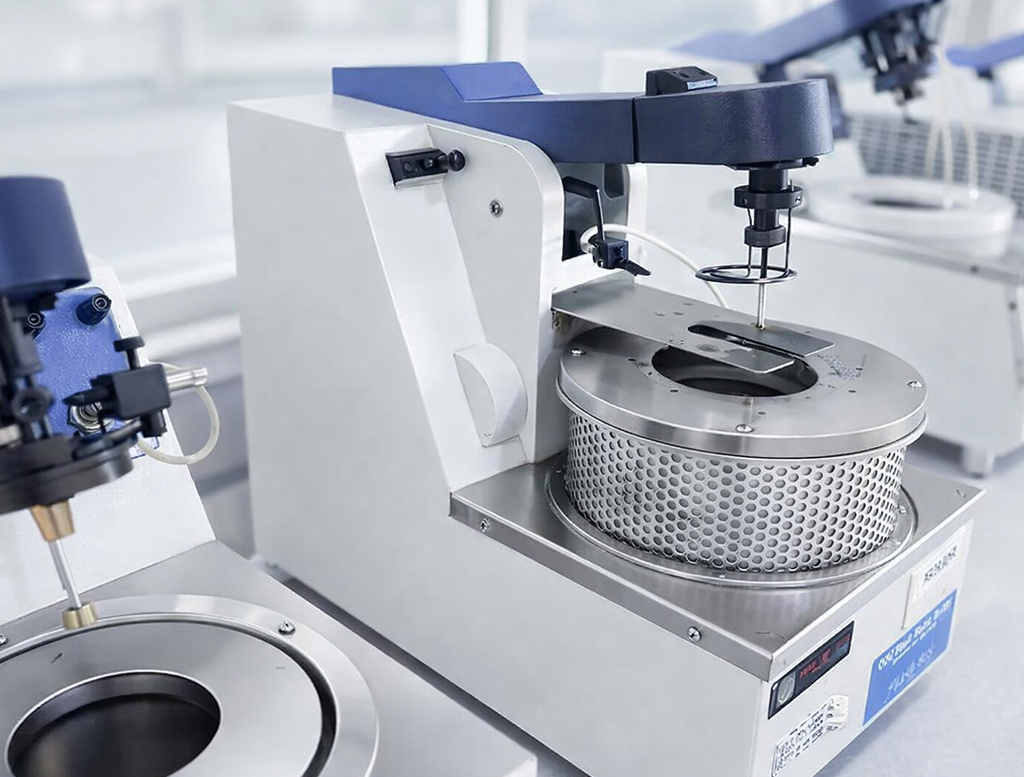
Flash point testing is one of the most critical safety and quality tests performed on fuels and oils. The flash point indicates the lowest temperature at which vapours from a fuel or oil can ignite momentarily when exposed to an ignition source. This parameter is essential for assessing fire hazards, storage safety, transportation risks, and regulatory compliance across industries such as automotive, marine, power generation, oil & gas, manufacturing, and chemicals.
Fuels and oils with an abnormally low flash point pose a serious fire and explosion risk during storage, handling, and operation. A reduced flash point often indicates contamination with lighter fractions, volatile solvents, or fuel dilution, which can compromise equipment safety and performance. Routine flash point testing helps identify such issues early, ensuring safe use and preventing accidents, equipment damage, and regulatory violations.
Flash point limits are defined by multiple national and international standards to ensure safe handling of fuels and oils. These include:
Flash point testing is also a key requirement for transport classification, port state control inspections, and insurance compliance.
Flash point testing is routinely performed on:
Flash point is determined using standardised laboratory methods, selected based on fuel or oil type and required accuracy. Common methods include:
Closed-cup methods are generally preferred for fuels and volatile products, as they more accurately represent real-world storage conditions.
Atlas Lab offers accurate and reliable flash point testing for fuels and oils, supporting marine, automotive, power generation, oil & gas, and industrial clients. As a NABL-accredited and ISO/IEC 17025-certified laboratory, Atlas Lab conducts flash point testing in accordance with ASTM, ISO, IP, BIS, and IMO standards, delivering precise results with quick turnaround times.
Our testing helps clients:
Contact Atlas Lab today for professional flash point testing services for fuels and oils, and ensure safety, compliance, and reliability across your operations.
Phone :+91 9324631646
WhatsApp : +91 9324631646
Email : contact@atlaslab.in

The cement industry operates under some of the harshest conditions in industrial manufacturing. Equipment such as rotary kilns, vertical roller mills,
Read more about Lube Oil Testing for the Cement Industry
The steel industry operates some of the most demanding and high-load machinery in the industrial sector. Equipment such as blast furnaces,
Read more about Lube Oil Testing for the Steel Industry