
Industry News
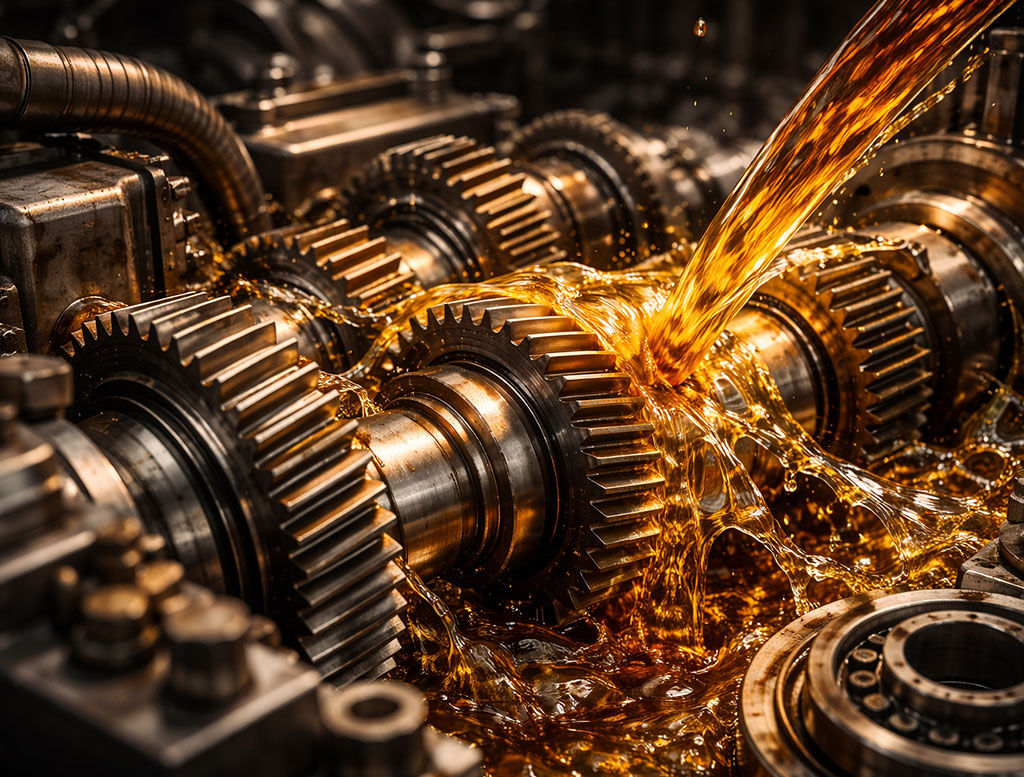
Oil contamination is one of the most common and most underestimated causes of lubricant failure and machine distress. In practice, contamination is not limited to “dirty oil.” It includes solid particles, water, coolant, fuel, process chemicals, wear debris and even the wrong lubricant. Once these contaminants enter the system, they can disrupt film strength, accelerate wear, trigger corrosion, shorten additive life and increase the rate of oxidation and deposit formation. A good oil analysis program is therefore about finding contamination early enough to stop the damage before it becomes an expensive reliability problem.
The reason contamination matters so much is simple: lubricated systems are designed to operate with controlled clearances, clean surfaces and stable fluid properties. Once contamination enters that environment, the lubricant stops being just a protective medium and starts becoming a carrier of failure. Routine testing helps identify the contaminant, estimate its severity and, just as importantly, point back to the likely source. That is what turns oil analysis from a reporting exercise into a preventive maintenance tool.
One of the most common causes of oil contamination is external particle ingress — dust, dirt, sand and airborne debris entering through breathers, seals, fill ports, hatches or poorly controlled top-up practices. Hard particles are especially destructive because they can create three-body abrasion, damage rolling surfaces and rapidly increase component wear. In hydraulic systems in particular, particle contamination is a major driver of valve, pump and actuator problems.
Regular testing prevents this from becoming a hidden problem. Particle count trending shows whether the cleanliness level is getting worse, while wear metal data and ferrous debris tests can help indicate whether that contamination is already causing internal damage. If particle counts rise before wear escalates, maintenance can often intervene with improved sealing, filtration, storage discipline or breather upgrades before the machine is harmed.
Water is another major oil contaminant, and in many systems it is more dangerous than operators realize. It can enter through condensation, washdown exposure, leaking coolers, poor storage conditions or direct process ingress. Once present, water can reduce film strength, accelerate rust and corrosion, deplete additives and promote sludge or emulsion formation. In some systems, even relatively small amounts of water can materially reduce lubricant performance.
Routine oil testing helps prevent water-related failures by identifying moisture before it progresses into visible free water, corrosion or varnish. Depending on the application, water can be tracked through Karl Fischer testing, crackle screening or FTIR-based methods. When water levels begin trending upward, the response should focus not only on drying or changing the oil, but also on finding the entry path — such as breathers, seals, storage containers or cooler leaks.
Not all contamination comes from outside. Some of it is generated by the machine itself. Wear metals and wear particles are contamination in the truest reliability sense because once they are generated, they remain in circulation and can continue damaging surfaces. Internal wear debris may come from gears, bearings, liners, bushings or other loaded surfaces, and the particles can quickly become both a symptom and a cause of further wear.
Regular testing helps separate normal rubbing wear from active abnormal distress. Spectrometric analysis, ferrous density and debris-related testing can show whether the machine is producing more wear than expected, while particle counts can reveal a growing solids burden in the oil. When these values are trended together, the maintenance team can often detect failure progression before temperature, vibration or performance symptoms become severe.
Coolant contamination is particularly serious because it is both chemically and mechanically destructive. It may result from leaking cooler cores, bad seals, blown head gaskets, cracked components or other internal failures. When glycol-based coolant enters the oil, it can cause viscosity increase, gel formation, acid formation, corrosion and filter plugging. This is one of the clearest examples of why oil contamination should be treated as a root-cause issue rather than just a fluid problem.
Routine testing helps detect coolant ingress before obvious mechanical symptoms appear. FTIR can screen for glycol-related absorption, while viscosity shifts, oxidation changes, sodium/potassium trends and related condition indicators can support the diagnosis. In critical equipment, this combination of evidence is often enough to trigger corrective action well before a catastrophic failure occurs.
Fuel contamination is a common problem in engines and some related systems. It usually results from incomplete combustion, injector problems, excessive idling, blow-by or leaking fuel system components. Fuel dilution lowers viscosity, reduces film strength and can impair the lubricant’s ability to carry load. If left unchecked, it can turn a serviceable oil into a poor lubricant long before the scheduled drain interval.
Regular testing catches this through changes in viscosity, flash point and, in some test slates, FTIR screening. The important point is that fuel dilution should not be treated as just a reason to change oil. It is often evidence of a combustion or injection issue that needs to be corrected at the source.
Oil contamination is not always dirt or water. It can also be the result of mixing incompatible lubricants, topping up with the wrong viscosity grade, introducing process chemicals or contaminating the oil during handling and transfer. These mistakes can alter viscosity, disrupt additive balance and shorten lubricant life even when the oil still appears visually clean. Improper storage and handling are common pathways for this kind of contamination.
Regular testing helps identify these issues by revealing unexpected viscosity changes, abnormal additive element patterns, unusual FTIR results or unexplained shifts in acid number and oxidation. This is one reason why storage, labelling, transfer containers and top-up practices matter so much: contamination control begins before the oil ever enters the machine.
The key benefit of regular testing is not simply that it confirms contamination exists. Its real value is that it creates a trend. Once you have trend data for viscosity, particle count, water, wear metals and oxidation, even small deviations become easier to spot. That allows corrective action at the contamination stage rather than at the failure stage. Properly interpreted, oil analysis can reveal harmful contamination early enough to protect performance, extend machine life and avoid avoidable downtime.
A strong contamination-control test slate is usually application-specific, but commonly includes particle count, viscosity, water testing, wear metals and selected chemical tests such as FTIR, acid number or flash point, depending on the asset. The goal is not to run every test possible. The goal is to run the right tests for the machine’s likely failure modes and contamination risks.
Oil contamination rarely starts as a major event. More often, it begins quietly — a little dirt through a breather, a little water from condensation, a little coolant from an early leak. The difference between a manageable issue and an expensive failure is usually whether it is detected in time.
Atlas Lab provides professional used oil testing and analysis services designed to identify contamination early, monitor lubricant condition and support preventive maintenance decisions. With the right test slate and expert interpretation, contamination can be detected before it leads to severe wear, lubricant failure or unplanned shutdowns.
Reach out to Atlas Lab to build an oil testing program that improves cleanliness control, protects equipment and reduces maintenance risk.
Phone :+91 9324631646
WhatsApp : +91 9324631646
Email : contact@atlaslab.in
The cement industry operates under some of the harshest conditions in industrial manufacturing. Equipment such as rotary kilns, vertical roller mills,
Read more about Lube Oil Testing for the Cement Industry
The steel industry operates some of the most demanding and high-load machinery in the industrial sector. Equipment such as blast furnaces,
Read more about Lube Oil Testing for the Steel Industry